Calm Down, Xbox Isn’t Dead.

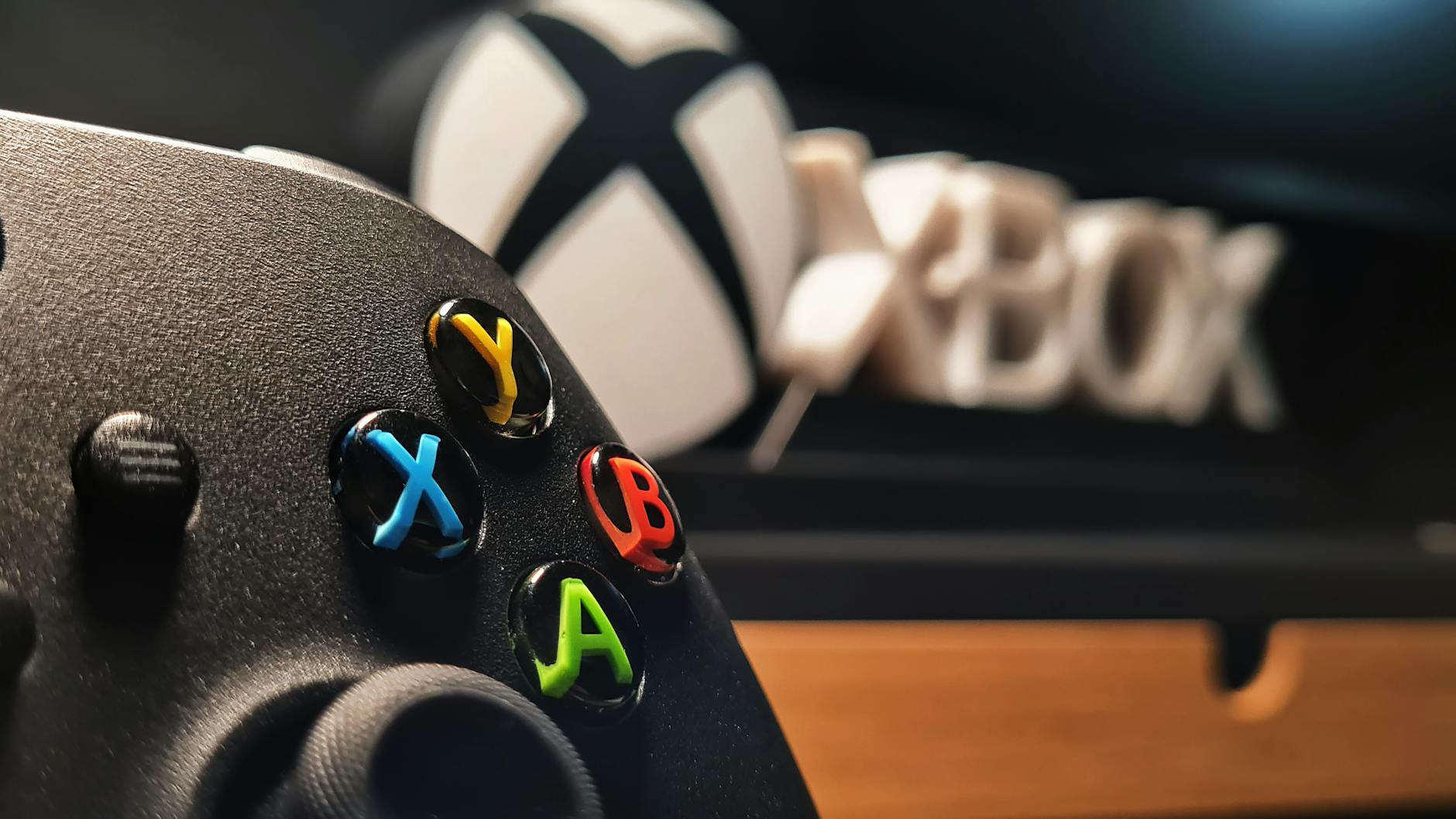
Photo by Ny Zoltu00e1n on Pexels.com

Phil Spencer is gone. Sarah Bond is gone. The new CEO came from Microsoft’s AI division, gaming revenue is down ten percent, hardware sales reportedly fell by nearly a third in the last quarter, and half the internet has taken that as their cue to write the obituary.

I’m not writing an obituary. I’m writing a defence.

Not because I’m a blind Xbox apologist — I’ve got enough Achievements gathering dust on my account to prove I’ve earned the right to criticise the platform when it deserves it. But because the “Xbox is dead” argument is built on a metric that Xbox itself has deliberately, strategically, and quite correctly decided to stop caring about. And until we’re honest about that, the whole conversation is a waste of everyone’s time.

The Wrong Scorecard

Here’s the thing about console sales: they’re a great measure of how many people bought a box. They are a genuinely terrible measure of how healthy a gaming business is in 2026.

Sony sold more PS5s than Microsoft sold Xbox Series consoles.

This is true.

This is also, increasingly, beside the point.

Microsoft Gaming now reaches over 500 million monthly active users. Sony’s PlayStation Network has roughly 116 million monthly active users. These are not comparable numbers. They are not even in the same conversation. And yet every time someone writes the “Xbox is losing” piece, they compare console unit sales and declare a winner — as if streaming subscribers don’t count, as if Game Pass on PC doesn’t count, as if the Xbox app on your Samsung Smart TV, your Meta Quest headset, your phone, or your Amazon Fire Stick doesn’t count.

You don’t measure Netflix’s health by how many DVD players they sold. The metric changed. The business changed. The scoreboard changed. Only the discourse hasn’t.

This isn’t to throw shade at PlayStation. The PS5 is a brilliant product and Sony makes excellent hardware and, frankly, excellent games. But PlayStation and Xbox are now selling fundamentally different things. PlayStation is selling a premium, curated hardware experience — the best version of a specific console generation. Xbox is selling access to a gaming ecosystem across every screen you already own. Comparing their console sales figures is comparing apples to oranges and then concluding that apples are winning.

In Defence of “This Is an Xbox”

I want to say something that might be slightly unfashionable right now, given that the campaign’s chief architect, Sarah Bond, has just left the building: the “This Is an Xbox” campaign was right.

Was it flawlessly executed? No. The internal reaction — reports that it “offended” Xbox hardware staff — tells you something real about the identity tension baked into that message. And yes, it became a meme – The internet did what the internet does. But the underlying idea? Completely, obviously, defensibly correct.

For too long, Xbox relied on the presumption that its target audience had a basic understanding of Xbox’s product offering — which, when you say it out loud, sounds pretty ridiculous. Game Pass is genuinely one of the best value propositions in gaming. The ability to play hundreds of games across your devices for a flat monthly fee is, by any rational measure, extraordinary. And yet the awareness just wasn’t there. The campaign was an attempt to fix that.

‘This is an Xbox’ was designed to show that almost anything with a screen was now a portal into a huge library of games available via download or cloud streaming. That isn’t marketing spin. That is a factual description of what Xbox has become in 2026. My Series S under the TV and the Xbox app on my PC are the same ecosystem. They share my saves, my achievements, my subscriptions, my friends list.

That is not nothing — that is the whole point.

The campaign didn’t fail because the idea was wrong. It failed, to the extent it did, because the execution got ahead of the infrastructure. Cloud gaming still has latency issues in some regions. Windows on handheld devices is still a rougher experience than it should be. The promise of “play anywhere” runs slightly ahead of the reality of “play anywhere, perfectly.” But that’s a delivery problem, not a strategy problem.


The New Boss, and What She Actually Said

So: Asha Sharma. Previously president of Microsoft’s CoreAI product division, she steps into the role with a background in large-scale consumer platform operations and a track record of building services that reach enormous audiences. Unsurprisingly, the gaming press and the online brains’ trust has spent two weeks nervously speculating about whether an AI executive running Xbox means Xbox becomes an AI product.

What Sharma actually said in her opening statement is worth reading carefully rather than reacting to. Her three commitments were: great games first, expanding the platform, and growing the community. On great games, she was unambiguous — “Everything begins here. We must have great games beloved by players before we do anything.” That’s not the language of someone who wants to turn Cortana into Siri.

She has also signalled a “return to Xbox” that re-anchors the brand emotionally around consoles, while still supporting PC, mobile, and cloud — a noticeable pivot from Bond’s “Xbox everywhere” approach. And here’s where I think the new leadership is threading an interesting needle: they’re not abandoning the ecosystem vision, they’re just reordering the emotional hierarchy. Console first in identity. Everywhere else in practice.

That’s not a reversal. That’s an excellent communication correction for a brand refresh.


The Engagement Economy

Here’s the business argument that I don’t think gets made clearly enough: in 2026, the most valuable thing a gaming company can have is not hardware market share. It’s time. Specifically, it’s the aggregate amount of time that hundreds of millions of people are spending inside your ecosystem, exposed to your IP, subscribed to your service, and buying your games.

Microsoft Gaming now reaches over 500 million monthly active users and is a top publisher across all platforms. That is the number Satya Nadella leads with. Not console sales. Not hardware revenue. Monthly active users — the same metric by which every streaming service, every social platform, every subscription business on earth is measured.

Why does this matter for monetisation? Because engagement scales. A player who subscribes to Game Pass on their phone might never buy an Xbox console. But they’re in the ecosystem. They’re playing the games. They might buy DLC. They will almost certainly stay subscribed. And as Microsoft’s first-party catalogue — which now spans Halo, The Elder Scrolls, Fallout, Call of Duty, Minecraft, Diablo, and World of Warcraft — continues to release major titles, the value proposition for staying subscribed only grows.

Sony’s model is elegant and it works beautifully for Sony. Sell the hardware. Drive exclusives. Capture the premium end of the market. But it is structurally limited by how many people will spend several hundred dollars on a new console. Xbox’s model is structurally limited by how many people have a screen and an internet connection. Those are not equivalent ceilings.


The Hardware Isn’t Dead Either

I want to be clear about one more thing: the next Xbox console is coming. Sarah Bond, before her departure, described the next Xbox as “a very premium and high-end curated experience,” suggesting it’ll bridge the gap between PC and console. Satya Nadella himself has suggested the console-PC divide is a false one: “It’s kind of funny that people think of the console and PC as two different things. We built the console because we wanted to build a better PC.”

The handheld space is also real and growing. The ROG Xbox Ally may have had a rougher landing than Microsoft would have liked, but the category itself — portable PC gaming with Xbox branding and Game Pass integration — is not going away. Valve proved the market exists. Microsoft intends to (try and) serve it.

Older hardware remains part of the ecosystem too, and this is underappreciated. Xbox Series S is still being sold, still being supported, and still giving players without three hundred dollars to drop on a Series X a legitimate path into Game Pass. That isn’t a sign of weakness. That’s platform thinking. Hell, even my Xbox One still gets fired up from time-to-time with plenty of older games on Game Pass still working perfectly on the older hardware.


What The Obituary Writers Are Missing

The story of Phil Spencer’s tenure is not a failure. Over 38 years at Microsoft, including 12 years leading gaming, Spencer nearly tripled the size of the business and expanded Xbox’s reach across PC, mobile, and cloud. He shepherded the Activision Blizzard acquisition — a $75 billion bet that made Microsoft the largest games publisher on earth. He oversaw the creation of Game Pass. He kept Xbox alive through a console generation where it definitively lost the hardware war and somehow came out the other side with a bigger audience than it had ever had.

That is not the biography of a dead platform or a failed executive.

Xbox isn’t dead, and if you scratch the surface just a little bit, it’s hard to even think it’s restructuring. If anything, it’s recommunicating. It has a new CEO who comes from outside the traditional gaming industry, which is either terrifying or exciting depending on your disposition. It has a content chief in Matt Booty who knows where every skeleton in every studio is buried and has the relationships to keep the creative pipeline moving.

And it has 500 million monthly active users who, whatever the obituary writers say, are still showing up.

That’s not nothing.

That’s not even close to nothing.
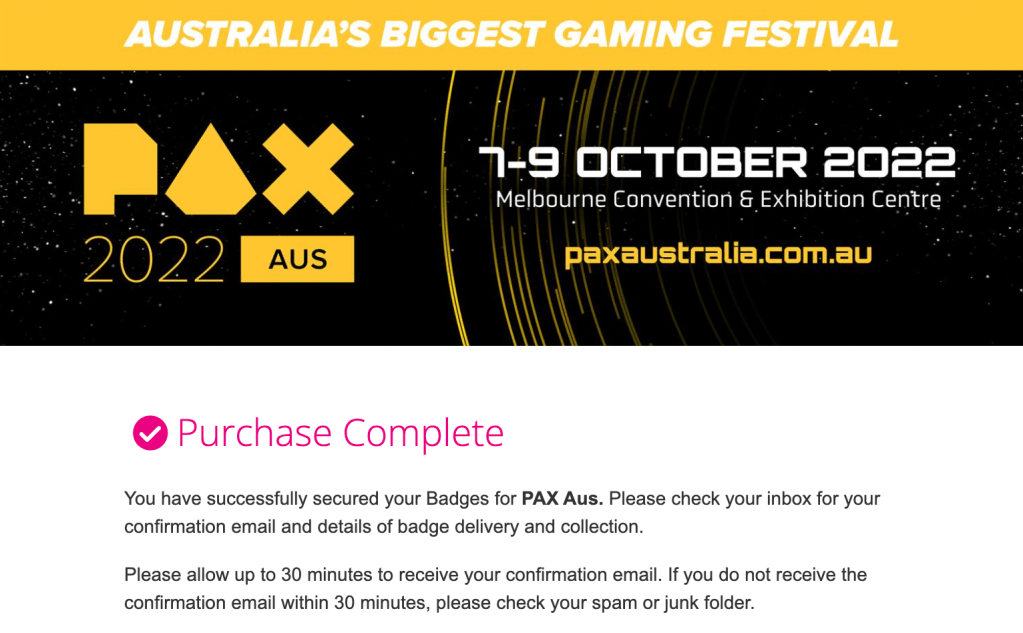
PAX 2022 is Back on the Menu, Boys!

Going back to PAX!

I don’t quite think people appreciate how much I bloody love PAX. It started off as just something that I wanted to go to because it was a big international gaming convention that had made its way down to Melbourne, and I just wanted to be a part of that little slice of history. I got myself a day pass, and wandered around the Melbourne Showgrounds with a good work mate, Tim, and we played some video game demos, looked at some stuff, brought some merch and went home. It was a much smaller, intimate affair than what PAX has become now, but it was enough to plant the seed. These were my people and this was absolutely my place in the world.

Flash forward nearly ten years, and PAX is a fixture on the Melbourne Geek and Pop Culture Scene. It now occupies the entirety of Jeff’s Shed, and Melbourne itself is overwhelmed with lovers of gaming for three days – utterly embracing the chaos and everything that it entails. And then, of course, Melbourne (in particular) has felt the pinch of COVID for the past two years. Unsurprisingly, like every other major event on the calendar for the start of the 20s, it got moved to an online format which was ‘fine’, but … well … it’s just not PAX.

But it’s back, baby. PAX. IS. BACK.

Yes, it’s filled with people who need a decent shower, and yes, it is a breeding ground for disease and I am almost certain that I’ll need (and want!) to be vaxxed in quadruple before I set foot past the threshold, but there’s something about being surrounded by the blast of loud music, the lights of games, and the atmosphere of everyone just being among kindred spirits that you do not get with any other convention, event or activity – ever.

And so too, is this a good opportunity to fire up the gaming blog and start to warm up the writing muscles as I get ready to stretch the ol’ grey matter back into the world of gaming. Of course, I’ve never stopped gaming, but I’ve just stopped writing about it.

And that, dear reader, is a shame. A damn shame.

Am I going to write every day? Absolutely not. Will I try to write more though? Sure, I guess? What I’m expecting to do is write a little more on some of my tabletop endeavours – notably Dungeons and Dragons considering much of the pandemic has seen me create a homebrew world and successfully (by my account) lead a team of adventurers on a journey that is currently just broaching the Feywild. Look for more on this to come.

But even if I don’t write another word for another few months, you better believe I won’t be shutting up about PAX when it comes.

And I can’t bloody wait.

The Definition of Insanity

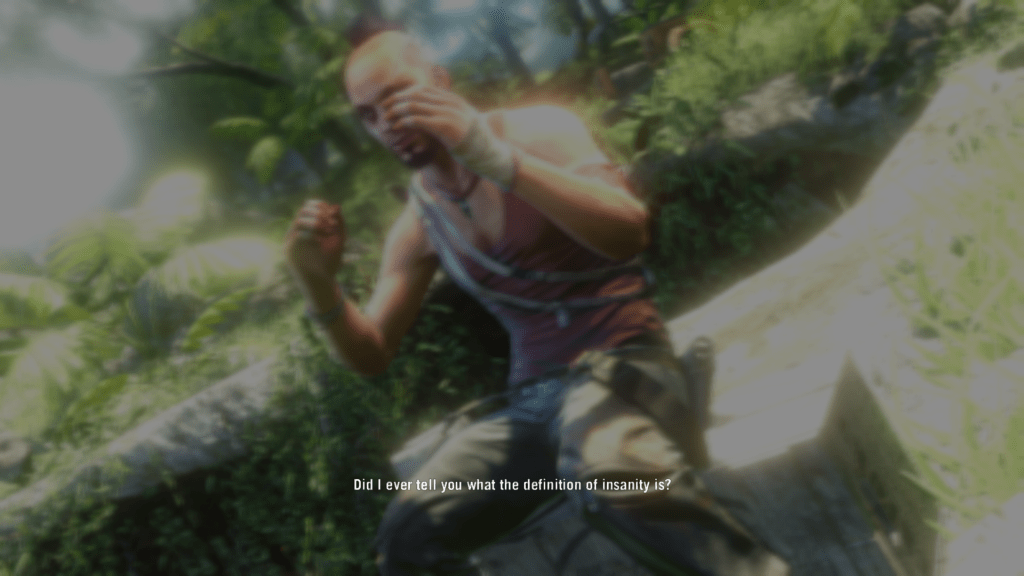
Did I ever tell you what the definition of insanity is?

I absolutely love the FarCry series, but my love of it really started with Number 2 (the one set in Africa). The homage to Heart of Darkness tickled the literary nerd in me nicely, not to mention the level of freedom and exceptional gameplay weaved throughout.

So, it’s no surprise that I loved 3 when it came out. More tropical, more sexy. And the same serotonin farm that I loved about the second one. And now, it has a remaster! Brilliant!

I finished the main story tonight and I’ll chip away at a few more achievements over the coming days, but I have to admit that I had – and am having – far more fun with FC3 than I am with FC5. I’m not sure if it’s the story, the setting, or the clearer objectives (as in ‘less noise’ on the map), but I find myself just looking for something to do quickly and happily in FC3, whereas 5 I find myself tired of having to harvest animals and do fetch quests just to progress the story.

FC3 is smarter about this filler, putting upgrades behind that barrier rather than story progress, and the game is better for it. It caters for those who want to run through the checklist of collectables and camps and things to do, versus those who want to mainline the story.

My plea here is that I hope FC6 will be more like 3 than 5, and I hope that it adds another great title to the FarCry stable. Don’t get me wrong, I don’t hate 5, but hunting down Christian extremists in the heartland of America is far more tiring than not.

But look, Giancarlo Esposito wouldn’t put his name to a bad game, would he? Would he?

Time will tell.

Sorcerers and Snobbery

Photo by cottonbro on Pexels.com

While I’ll be the first to admit, I’ve only openly ‘loved’ Dungeons and Dragons these past few years, it is, nonetheless, a lifelong passion of mine, properly kindled during the Baldur’s Gate and Neverwinter Nights eras, and complimented with a love of the fantasy genre that has spanned The Wheel of Time and The Lord of the Rings in between.

What I don’t think, however, is that I have any sort of ownership over either DnD or the genre itself – but boy, I’ll tell you what, it is rife in the DnD community. Rife.

I’ve had a fairly tepid appreciation of Chris Perkins’ lack of humility and the dismissive attitude he has to the community for a while now, but I also love 5e that much that I’m willing to sit him quietly in my blind spot and just consume his content cf. his personality.

James Haeck annoys me for many, many reasons, not least of which is his choice to use awful language choices (in the spirit of: ‘why use a small word when a diminutive one will do’). If you’re a writer, catering to an online audience, and you have to link to a word you’ve used on Dictionary.com when challenged on it, then you’re either too proud to use an editor, you have a bad editor, or you’re just a wanker.

James Haeck of EGtW and DnDBeyond.com Fame [Source: Twitter; WOTC]

Of course, Haeck shares similar acclaim to Perkins in that he had the distinct honour of having co-authored the Explorer’s Guide to Wildemount, which has seen incredible popularity since COVID forced everyone inside and Critical Role saw a resurgence. But in contrast to Haeck’s aesthetic evolution from affable nerd to channelling Inigo Montoya represents less of a ‘glow up’ and more of ‘lean in’ to the vapid personality traits of celebrity, my appetite for reading his content goes from tolerance to actively avoid.

Not a great position to be in when Haeck pretty much wrote everything on DnDBeyond for the past few years.

Nonethless, I do want to close out this tirade with a qualification. Both Haeck and Perkins are big fish in the DnD world, and to some extent, they both – quite rightly – couldn’t care less what I think of them. Whatever I might think of their personalities, they still, ultimately put pen to paper, knuckled down, and have contributed to the game we all know and play and love.

That’s not nothing.

No, my lament today is much more of a personal nature, and it’s to do with a friend who has recently discovered DnD. In the real world, I’d be quite pleased for him. In fact, I’m happy to admit I started off quite pleased for him. This lad was someone I had directed in theatre a few years ago, and he falls into the overlap of gamer, actor and nerd much like myself – so it was only natural that he find a home in DnD. Today he made a post about how much he loved DnD and couldn’t wait until the next session – and I’m not afraid to admit – I was a little jealous. Here’s a man who can have a regular, face-to-face game with friends and enjoy everything about it, while I’m being mocked by C-grade friends and struggling to find ten minutes to teach my son the dice mechanics of the game. But they’re my problems, not his, and so I suggested that he watch some Critical Role to tide him over between games. His response? “Duh, how do you think I got into it?”

Well, no, actually, I know that’s not how you got into it. You posted that on Facebook as well, you muppet, and I know that a good friend introduced you into his game first – so revising your history for me doesn’t work. But I’m too introvert to call out that little untruth, so let’s move on. My next step was to celebrate CR with him and call out some of the early victories of Vox Machina (I’m only early into Campaign 1 myself!) but then I was curtly told: “You’re talking of Season 1. I started on Season 2.”

OK, fine, perhaps it would be quicker just to tell me to go fuck myself?

The thing is, this heightened sense of self-worth in DnD isn’t unusual. I find it on the Critical Role Discord Server (which I soon left), I find it among people in the forums and groups I visit, and I find it talking to people who get a regular face-to-face game with friends and pizza and beer.

Today while “playing” DnD with my kids, I have to admit, I got a little glimmer of joy in my heart when my wife said “I’ll play!” but as it turned out it was just a ruse to stir up my son. I appreciate the ruse, we stir him up like that all the time, but as it turned out it was just another extension of her active distaste for Dungeons and Dragons.

So, now people who play it are self-important, know-it-all, insular little types who are empowered by the likes of Haeck and Perkins in elevating their social status. (It’s a terrible analogy, but it is like watching a very bad extension of the Washington DC riots, whereby Trump inflames his base and then they take action against “someone” – in DnD this can be anyone, including others in their own playing group.)

People who don’t play it are still riding the old wave of “DnD is for Nerds”. Something to be hidden away or ashamed of. It’s almost like being more interested in geriatric pornography would be a more socially-acceptable pastime than DnD, and that’s saying something in the year 2021, when we’re all supposed to be a little more understanding and a little more tolerant – perhaps, that is, as long as we confirm to social ideals.

So, what’s the lesson here? Does DnD have a cultural problem (moreso than its recent redress of racial stereotypes)? Am I too soft-skinned? Is this a broader human failing being seen through the lends of DnD or – as I suspect – are humans just a little bit shit?

I love fantasy. I love the mechanics that DnD gives me to be able to play in that kind of fantasy world. I think, if anything, the strength of the game comes from my ability to enjoy it in spite of these flawed personalities – both big and little.

Though, I have to admit, I do wonder from time-to-time if the grass is greener over with those Pathfinder folks.

Candlekeep Mysteries

Photo by Ekrulila on Pexels.com

I bloody love Candlekeep. Make no mistake about it, Baldur’s Gate was my introduction to the Dungeons and Dragons universe and Candlekeep the first location I ever truly explored.

At the time, everything about being constrained to the BG story annoyed me – I hated being forced to being Gorion’s Ward and having a pre-existing relationship with Imoen. Later in the game I hated the whole ‘Bhaal Son’ thing. But in my older years, having matured, I can appreciate that this was but one of many stories I could enjoy in the Forgotten Realms, or DnD in general.

(All of this, of course, with the exception of Minsc and Boo. Minsc and Boo are infallible.)

One thing that never disappointed me though, was the locations. The isometric maps of Candlekeep and BG and even the wilds that surrounded the cities and places to visit were living, breathing characters on their own. I visited every shop and every store room. I fought assassins and I read books and for a map that was essentially one big circle around a castle, it was undoubtedly my DnD hometown. And now, to see Candlekeep serving as the new location for the adventure anthology, Candlekeep Mysteries – well, I can tell you this is a day one purchase for me.

One of the things that is great about the collection of stories is that WotC have recognised that there is a market for ‘small bites’ of DnD. Sure, some people might love an enduring, multi year campaign … but others have time for a one shot once every few months, and nothing more. After all, life has shown us in the past twelve months that we need some agility in how we live our lives, and so setting up a book of one shots and giving people a chance to taste DnD, rather than scaring the hell out of people who know nothing. It’s a smart move – and I like it.

I want to get a game together for later this year, and while I was planning on grabbing an Internet one shot, I reckon this mystery-style approach could be just the gateway drug we all need.

Let’s see how things go.

From Pajitnov, With Love

I quite like Tetris. I think it’s one of the few timeless games that has managed to find its way into the hands of people from about three or four generations – and do you know what? It’s still just as fun as it ever has been.

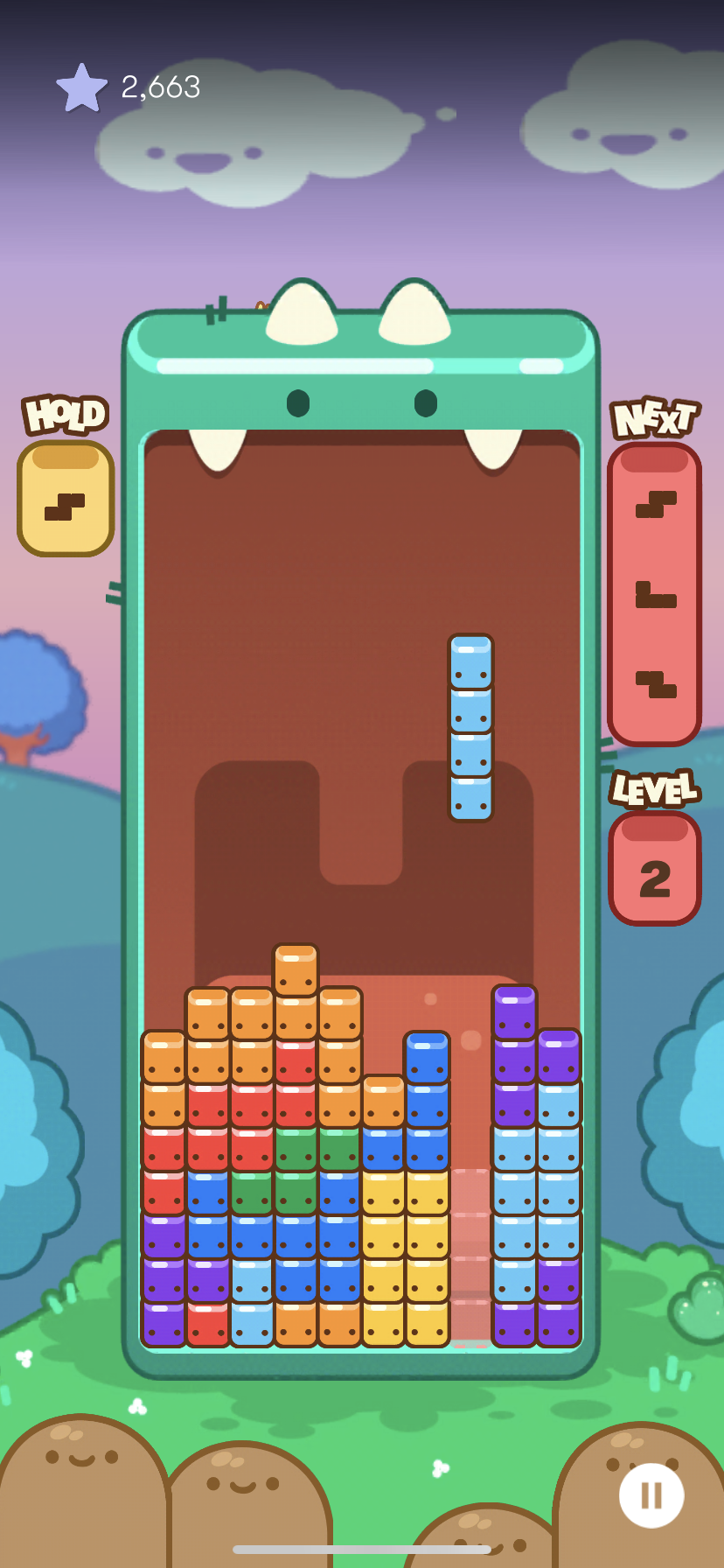
I was a little surprised to see in the past week that EA’s Tetris Blitz would be ending in April this year, and instead the product had been licensed out to a new company, N3TWORK.

Um, excuse me? Rude!

There’s not many games that have stood the test of time on my iPhone. Even The Simpsons Tapped Out was taken off there some time ago, and Gardenscapes is only hanging on there by a single nostalgic thread. Tetris Blitz, however, has stayed on my screen for a few years now. I wouldn’t say that it’s particularly religious-level of playing, but certainly once a week or a fortnight, I’d whip it out and see what kind of score I could get with the free boosts that I had collected, or, if the mood grabbed me, what kind of boosts I was willing to cash in on.

Do you know what I’m not willing to cash in on though? $8 of hard-earned money to be able to play Tetris on my phone without ads. GTFO, N3TWORK.

One of the benefits of having the large companies control gaming, is that they are less tied to marketing, or advertising, revenue. Sure, they still put ads in games, either as banner ads or as opportunities to recover a life or get some extra power – but they don’t put them up as a barrier between the player and getting into the game. They want you in their ecosystem to tempt you into micro transactions. Not to bombard you with cheap, crappy mobile ads.

N3TWORK, it seems, couldn’t give a toss what I think. Ads before a game, it is!

I have some other issues with the game, all of which are (allegedly) to be addressed in future updates, but I have to say, unless you don’t want iOS users switch over day-and-date you have your ‘full’ release, then be prepared for a multi-pronged onslaught between xCloud, Apple Arcade, Uplay Plus, and any one of a number of subscription services out to take consumer’s disposable income. You also need to try and deliver, at the very least, a like-for-like product.

Right now there is no Facebook Connect, no different game modes, and limited settings. I assume there is an Apple ID / iCloud connector somewhere working in the background … but I’m not convinced. I feel like this is something that could, and should, have been done prior to launch.

Perhaps I expect too much.

I’m going to keep the new Tetris on my phone for now – if only to hold out hope that it’ll get better. It’s a very thin, tenuous hope, but if Blitz is to be retired, well, it might be all I have.

Tetris has survived this long on my phone. There’s a very good chance that this’ll be the year it does not.

Blacker than Black

Tom Clancy's Rainbow Six® Siege2020-1-19-23-10-2

For as long as there have been Tom Clancy video games, I have been in love with the franchise. Truth be told, I’ve never really liked Clancy’s style of writing because it is technically and character heavy, but his contemporary and near-future military setting has always appealed to me, as has the lore he built-out, first with the Rainbow Six series (assumedly with others’ input), and later with other franchises such as Splinter Cell and Ghost Recon. Truth be told, I take issue with some of the latter aspects of the franchise, only because I know they were created after his death … but I still love and cherish the setting, and so I play the games without complaint.

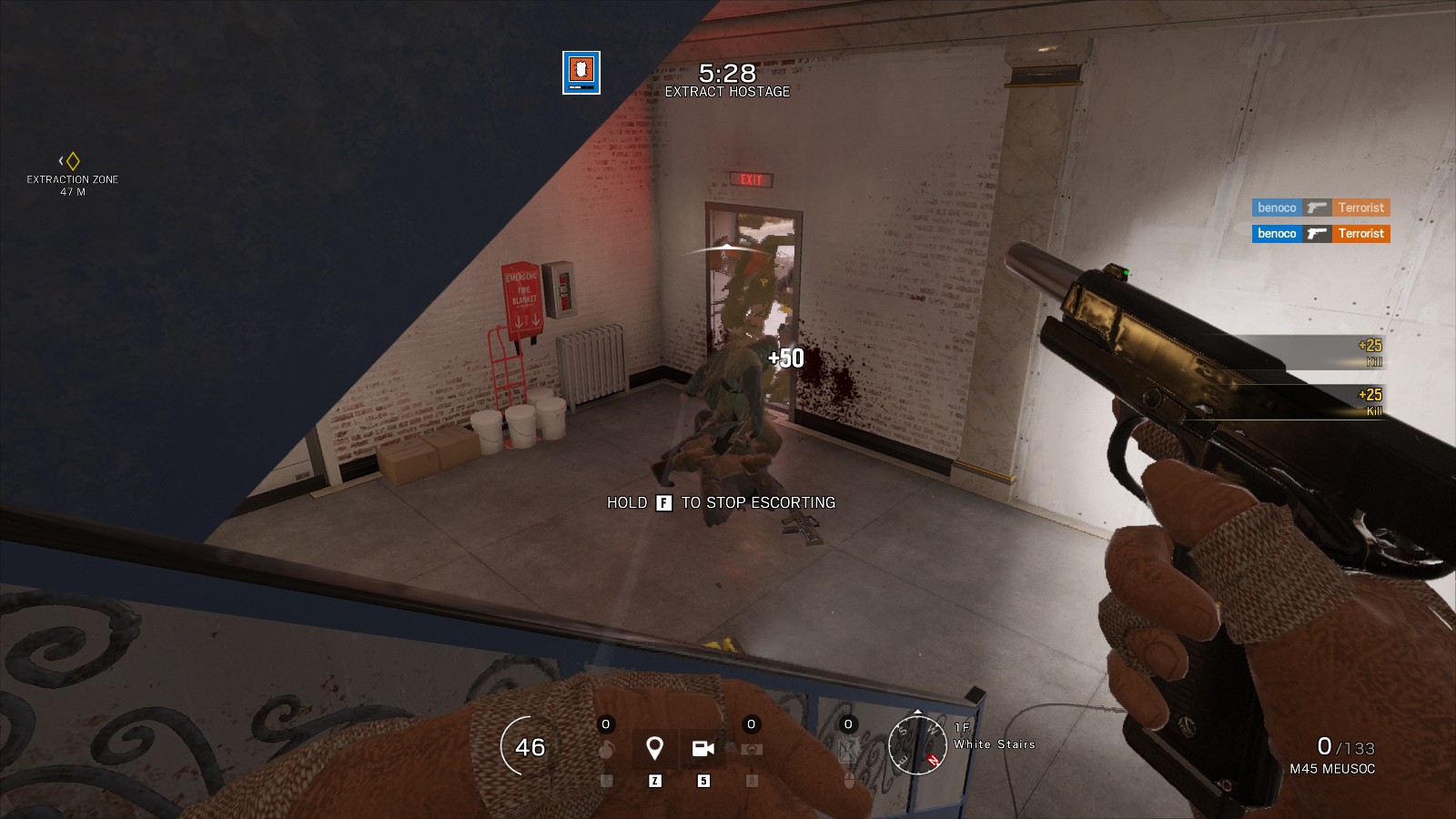
I’ve played quite a bit of Rainbow Six Siege on Xbox over the past few years since it was released, and now, going into its fourth year, I finally took the plunge and dived into the game on PC. I wasn’t sure if I’d already bought it or not, but from what I can tell, I simply had the cheapest, if not free-to-play, version on my PC, and so I lashed out with a heavily-discounted $15 purchase to grab the ‘Year One’ edition, which brings with it all the original operators and the full game itself. That, in itself, was probably unnecessary right now, as the main action in R6 is happening in an event called ‘Road to SI (Six Invitational) 2020’, and involves a deliberately crafted structure and course designed to simulate a real world military-sports event. Truth be told, it’s quite good fun, but if there was ever a game I wanted to bring across all my unlocks and perks and characters in, it’s R6.

Exhibit #813 when it comes to why games should have cross-save.

And so, I’m doing the slow crawl from Level 1 onward on PC. It’s served me well so far because people aren’t unnecessarily cruel and unusual in their ‘feedback’ (there are exceptions), but I think the value in the game comes from being able to undertake what I’ll consider ‘team-lite’ gameplay … going solo with everyone having the broadly-speaking same goal, rather than a more coordinated squad-based shooter.

Tom Clancy's Rainbow Six® Siege2020-1-19-19-49-7

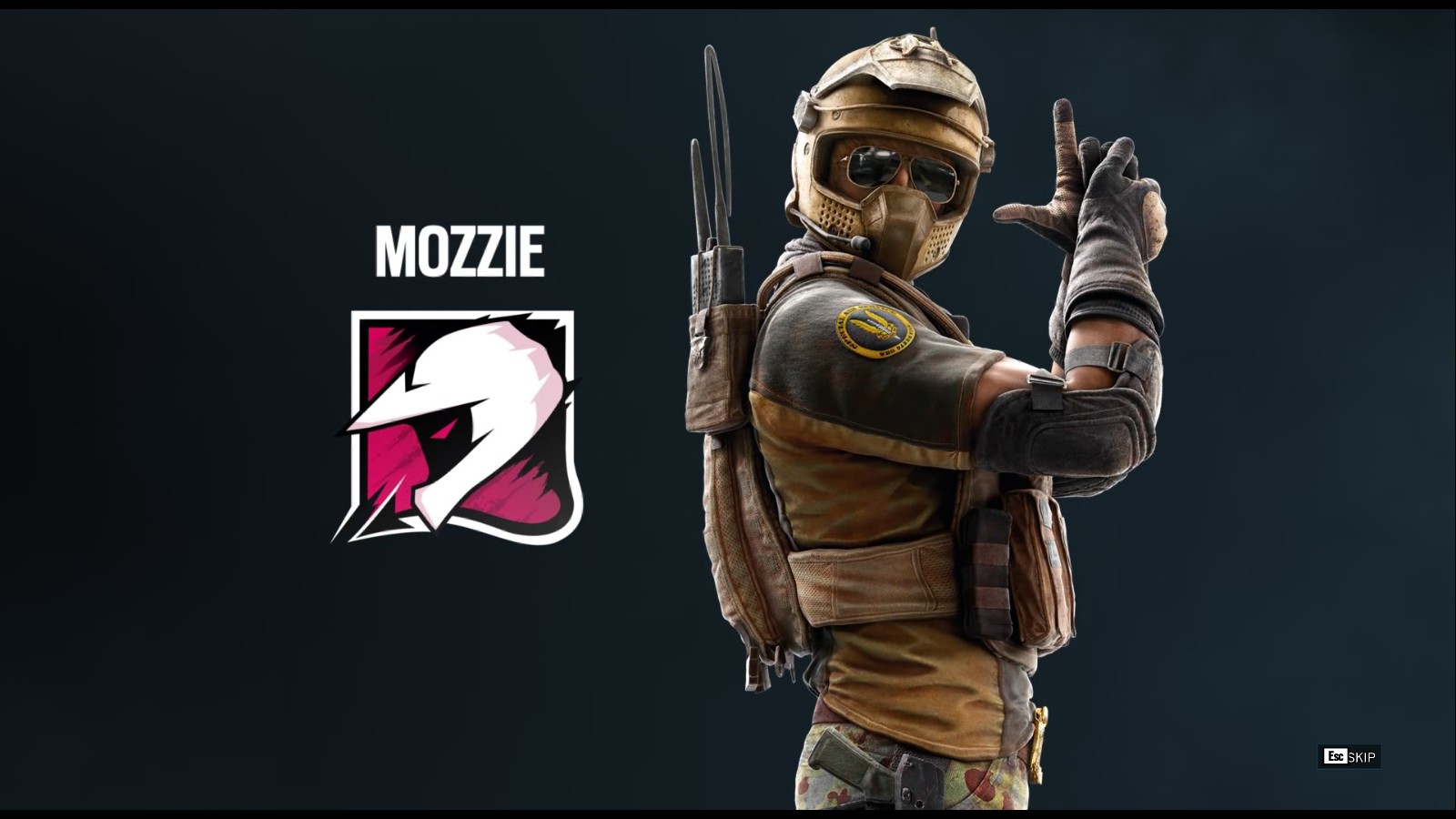
For Assault, I’ve been leaning heavily into Glaz, because I like his infrared scope, and for Defense I normally go Rook for his body armour. I’m a simple man with simple pleasures, though I suspect the Road to SI 2020 event would actually be a good time to experiment with other operators – considering they’re all unlocked from the get-go.

For now, I’m keen just to have the occasional game and build up my renown without too much exposure to the broader internet. The internet is typically a fairly average place to play games with people you don’t know … so I’ll try and stick to Terrorist Hunts and the odd multiplayer when there are challenges that require it. I’m not a ‘bad’ player, but skill and capability doesn’t seem to mean much on the internet these days anyway. The list of things that will have you labelled ‘a letdown’ far surpasses those that earn a ‘good job’.

Toss a Coin to your Witcher

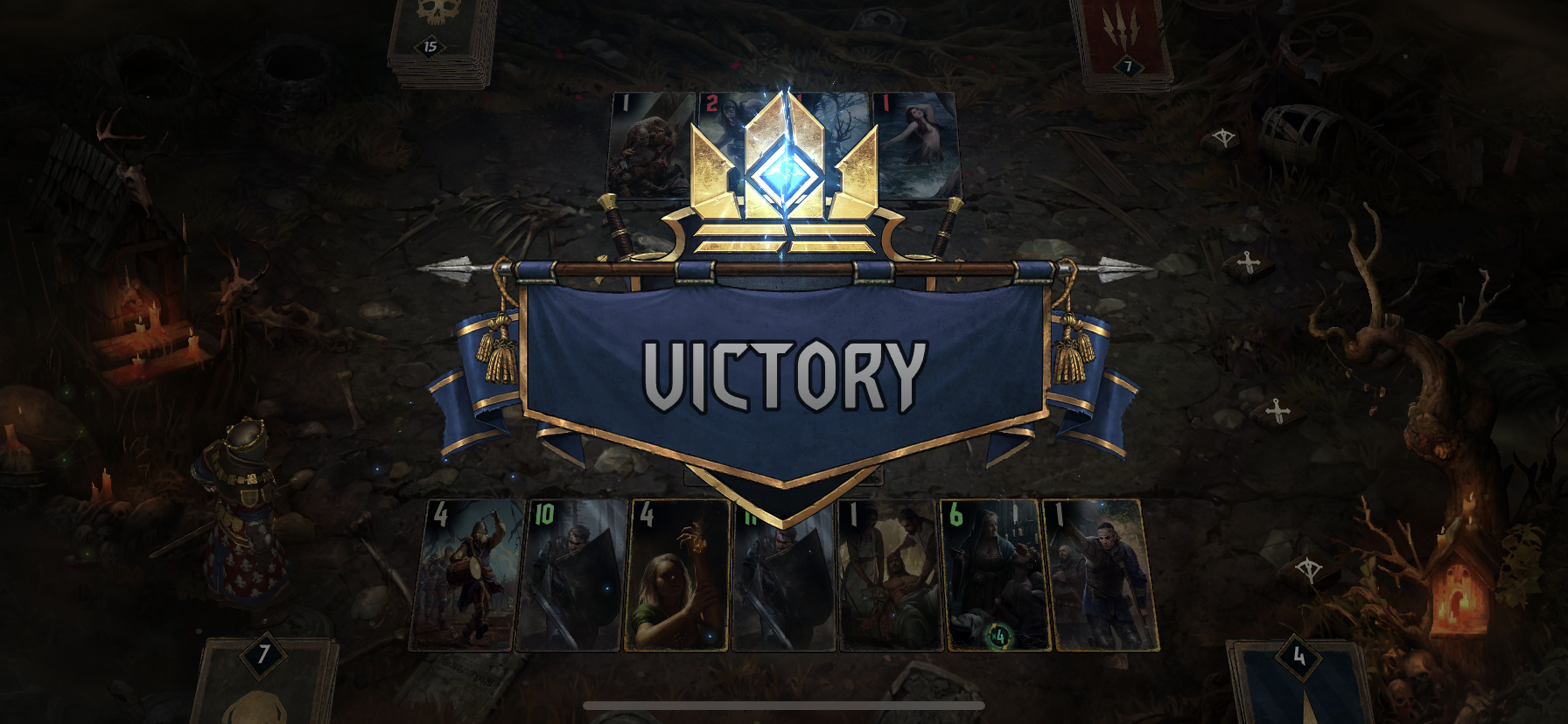
If there was one thing I loved about The Witcher III: Wild Hunt, it was Gwent. I don’t think I’m alone – I think everyone who played the game either loved, or didn’t really have any attachment to – Gwent, though from the people I spoke to … many, if not most, fell into the former camp.

Now that The Witcher series has dropped on Netflix, to mixed reviews, it’s little surprise to see The Witcher III concurrent players spike. Hell, even I re-downloaded the game, if not to try and recreate the series, but just to revisit what is being considered the well-deserved ‘game of the decade’.

Now that I have a little better context to the origins of some of the characters, I also considered another playthrough of the core game – that is if it wasn’t 90-plus hours long just to get through the main story, and without any real achievements worth cleaning up along the way, I admit that my appetite just isn’t really there for another hard slog.

(The Witcher 2 is another story though – I started this in the last 24 hours, but that will be something I’ll save for another blog post.)

What it is there for though, is Gwent. And so in addition to putting W3 back on the Xbox, my iPhone slogged through a few gig of download today to put Gwent back on my device, and already I feel a little more in love with the game than I did back when it first launched. It’s unclear how many quality-of-life improvements have been made to the game since it launched, but it certainly seems like an accessible, fun alternative to Hearthstone or Magic: The Gathering or the myriad of other CCGs in the market.

For a rather saturated market, I quietly hope that Gwent manages to stay the course. Almost all of the major CCGs have big corporate backers: Activision, Bethesda, Wizards, etc., and Gwent has CD Projekt Red which gives me some comfort – but at the end of the day, an unprofitable game is an unprofitable game, and so I fear its longevity is directly related to The Witcher‘s success as a franchise.

In the meantime, I’m going to have a red hot go at having some success this ‘season’ on Gwent to see where I land. Even if I play terribly, there seems to be more incentive to progress than something like Hearthstone, which just seems to mock my inadequacy rather than encourage me to do better. Let’s see if that feeling is the same at the end of the season than it is now.

End of Year Wrap-Up 2019

Imagine a world where you love video games, you breath video games, and you get so excited about a time when you had the ability to play them, stream them, and write about them with gay abandon – and then you had three kids, a full time job, a promotion, and the whole other raft of vicissitudes that come with contemporary life that you never quite manage to get any one of those elements ‘quite’ right.

Hence why there’s month-long delays in my blog entries.

Nonetheless, while I haven’t been writing, I’ve certainly been playing. Over the past month, I would struggle to say that I’ve necessarily ‘finished’ anything, though I have certainly been enjoying a good broad spectrum of gaming, largely thanks to the diversity offered by Xbox Game Pass. I wanted to spend a few minutes today going through some of the games I’ve played, if not just simply to update the blog, but also to offer myself some catharsis for my creative outlet that hasn’t been appropriately scratched for a while.

Insane Robots

I’ve actually been quite surprised how much I’ve enjoyed this relatively benign turn-based game, but between my son and I, I think we’ve sunk quite a few hours into this little title over the past 48 hours alone. There’s nothing particularly innovative about the game, you have an attack column, a defence column, and you have to juggle an increasing array of cards and power-ups to defeat robots. For a long time I’ve considered the phrase ‘easy to play, difficult to master’ a bit of a marketing furphy, but for the first time in a long time, I actually wonder whether this is the game that people have in mind when they think of that phrase.

Hellblade: Senua’s Sacrifice

I’ve tried to play Hellblade before, but ended up getting stuck in the section just after Senua’s long boat ride with credits. It seems to be a ‘heavy’ game, and while the structure of it is fairly good and the combat is fundamentally OK, I kind of want it to be over just so I can say I’ve played it and I never have to play it again.

Truth be told, the main reason I was keen to give this a go was that the sequel has been announced, and I don’t want to end up in another situation like Borderlands or Gears of War, where I’m a few titles deep into the franchise and well-and-truly left behind.

Ticket to Ride

This was quite boring. There, I said it. I know that some games are not supposed to be all action and excitement, but even a board game should give me a serotonin hit every now and then.

This game, however, did not.

The premise is essentially ‘owning’ a series of railway track routes across America (I believe there are other countries the further you play), working towarrds an end-goal where you’ve blocked your opponent from mastering the routes they’re after while at the same time acquiring your own. It’s slow, it’s clunky, and there’s not really any sensible logic around scoring, so as soon as I got something in terms of achievement, I was out of there.

Fallout 76

F76 was $10 as part of the Black Friday sale, and so I figured ‘why not’. I’m glad I did actually, it’s quite good if you can ignore the plebs on the internet playing with you. The visuals are easily as good as Fallout 4, and the gameplay is solid. I actually enjoy the VATS real-time’ness, thing going on that is necessary as part of playing online, but there is a story there, and what seems to be a good variety of crafting and building that some small disturbed niche of the public enjoy when it comes to Fallout.

Pathologic 2

I finally worked out, kind of, maybe, perhaps, what the story here is about. I’m not entirely sure I know what I’m supposed to be doing. You play a Doctor trying to resolve a plague-ridden city that is about to be annihilated, but that’s about as far as I’ve gotten. I’d like to give this a little more time, I really would, but let’s be honest. I have a whole range of competing priorities which means this title – which hasn’t managed to grab my attention – will probably get shelved.

Untitled Goose Game

2019’s breakout hit. I’m about three or four levels into this, and it’s pretty good. I don’t quite understand the fuss, it’s a good game, not a great game, but it is from Melbourne, so that pleases me. There’s a good chance I’m going to keep playing it just to give the boys the statistics they deserve for bringing this together and having the success it has had.

So, that’s the state-of-play as at the end of December 2019. It’s been a fairly big year for me personally and professionally, and so it’s kind of natural that gaming would kind of slip a bit.

That being said, I feel like I have the whisper of good sleep and better time management coming to me in 2020, so fingers crossed this might mean more games, and better quality time gaming.

Or I’ll just get myself a Xbox Series X and play the same old inane stuff I usually do.

Ho Ho Ho.

Color Saw 3D

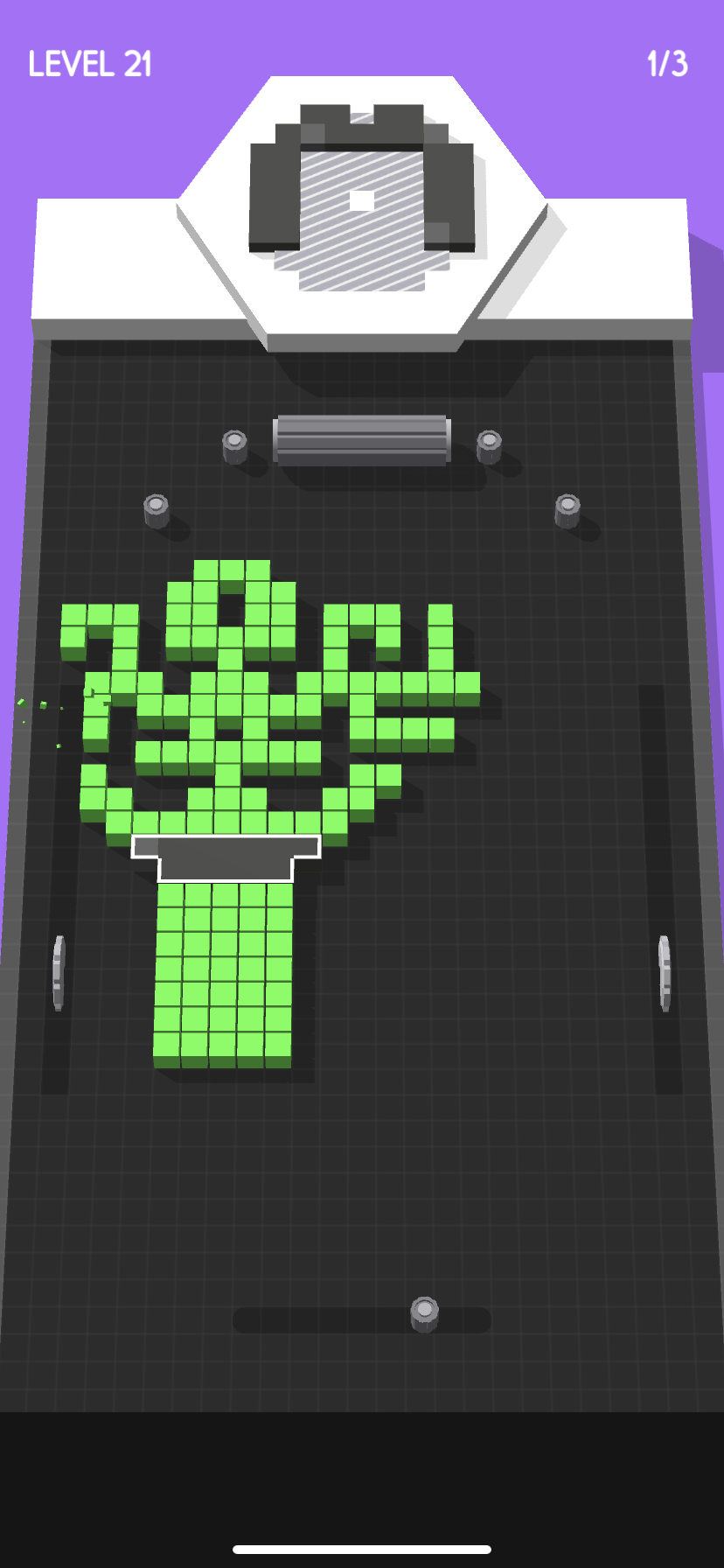
I’m not going to lie … I found Color Saw 3D far more cathartic than I thought I would.

Do you know I don’t find cathartic? Ads. And the few thousand that they’ve managed to slot in the short space I’ve time I started playing, and even though it’s a great game, this behaviour has more likely to have turned me off playing, if not purchasing, the game – and instead finding something … I don’t know … “else.”

The joy from this game comes from its simplicity. You saw blocks. The end. It’s fun. It’s simple to learn, and it’s as good for my kids to learn too. It’s a game where you chop stuff. Play it if you need a new time-wink in your life … just make sure that time-sink isn’t anything important like brushing your teeth twice of clogging the toilet. Far simpler to just do it right the first time.